The regions marked on the globe
Origin: Bengaluru, India, where this prompt was typed. Each AWS region sits at the approximate location of its metro area.
- us-east-1: US East (N. Virginia), Ashburn, Virginia
- us-east-2: US East (Ohio), Columbus, Ohio
- us-west-1: US West (N. California), San Jose, California
- us-west-2: US West (Oregon), Boardman, Oregon
- ca-central-1: Canada (Central), Montreal, Quebec
- ca-west-1: Canada West (Calgary), Calgary, Alberta
- mx-central-1: Mexico (Central), Queretaro, Mexico
- sa-east-1: South America (Sao Paulo), Sao Paulo, Brazil
- eu-west-1: Europe (Ireland), Dublin, Ireland
- eu-west-2: Europe (London), London, United Kingdom
- eu-west-3: Europe (Paris), Paris, France
- eu-central-1: Europe (Frankfurt), Frankfurt, Germany
- eu-central-2: Europe (Zurich), Zurich, Switzerland
- eu-north-1: Europe (Stockholm), Stockholm, Sweden
- eu-south-1: Europe (Milan), Milan, Italy
- eu-south-2: Europe (Spain), Aragon, Spain
- il-central-1: Israel (Tel Aviv), Tel Aviv, Israel
- me-south-1: Middle East (Bahrain), Bahrain
- me-central-1: Middle East (UAE), United Arab Emirates
- af-south-1: Africa (Cape Town), Cape Town, South Africa
- ap-south-1: Asia Pacific (Mumbai), Mumbai, India
- ap-south-2: Asia Pacific (Hyderabad), Hyderabad, India
- ap-southeast-1: Asia Pacific (Singapore), Singapore
- ap-southeast-2: Asia Pacific (Sydney), Sydney, Australia
- ap-southeast-3: Asia Pacific (Jakarta), Jakarta, Indonesia
- ap-southeast-4: Asia Pacific (Melbourne), Melbourne, Australia
- ap-southeast-5: Asia Pacific (Malaysia), Kuala Lumpur, Malaysia
- ap-southeast-7: Asia Pacific (Thailand), Bangkok, Thailand
- ap-east-1: Asia Pacific (Hong Kong), Hong Kong
- ap-east-2: Asia Pacific (Taipei), Taipei, Taiwan
- ap-southeast-6: Asia Pacific (New Zealand), Auckland, New Zealand
- ap-northeast-1: Asia Pacific (Tokyo), Tokyo, Japan
- ap-northeast-2: Asia Pacific (Seoul), Seoul, South Korea
- ap-northeast-3: Asia Pacific (Osaka), Osaka, Japan
Hello, I am Debarshi.
I am an AI infrastructure engineer in Bengaluru. I build the systems production AI runs on: LLM inference, model serving, and the GPUs beneath them.
I started on the screen, building interfaces at SOLRUF and PwC. Every screen is only as good as what stands behind it, so I kept digging: services, then servers, then GPUs and the networks between them. I still build the screen. Now I build what it stands on, too.
The path so far
2001
Spawned on Earth
2001
The road starts here. The first eighteen years stay off the map.
2019
B.Tech, Computer Science and Engineering
Vellore Institute of Technology, Chennai, 2019 to 2023
Computer science, and the side projects that taught me to ship, Algophi among them.
2021
Research Intern
Samsung India, December 2021 to September 2022
Research on a token-based blockchain system for smart devices, with smart contracts for storing and reading data.
2022
Frontend Developer Intern
SOLRUF, August 2022 to September 2022
My first frontend role: product search, faster pages through lazy loading, and responsive, accessible layouts.
2023
Associate Consultant Intern
PwC India, January 2023 to July 2023
Rebuilt legacy Angular applications for a European car maker, so they loaded and changed faster.
2023
Associate Technology Consultant
PwC India, July 2023 to June 2024
Modernized agreement-analysis tools in React with token-based sign-in, and built a map dashboard for enterprise clients.
2024
Software Engineer I
Metrum AI, July 2024 to September 2025
Frontend and full-stack work on AI infrastructure products, where the systems behind the screens first pulled me down the stack.
2024
Shown at SC24
Supercomputing 2024, Atlanta, November 2024
Our multimodal healthcare and customer-service RAG work, shown at the supercomputing conference.
2025
Shown at AMD AI Day
AMD, 2025
2025
Software Engineer II
Metrum AI, October 2025 to present
Distributed inference and GPU clusters, and the control plane around them: routing, telemetry, access and billing. I still lead frontend work.
Workbench
Things I build in my own time, mostly to understand how something works.
Independent projectView Source of system-one-bench (opens in a new tab)system-one-bench
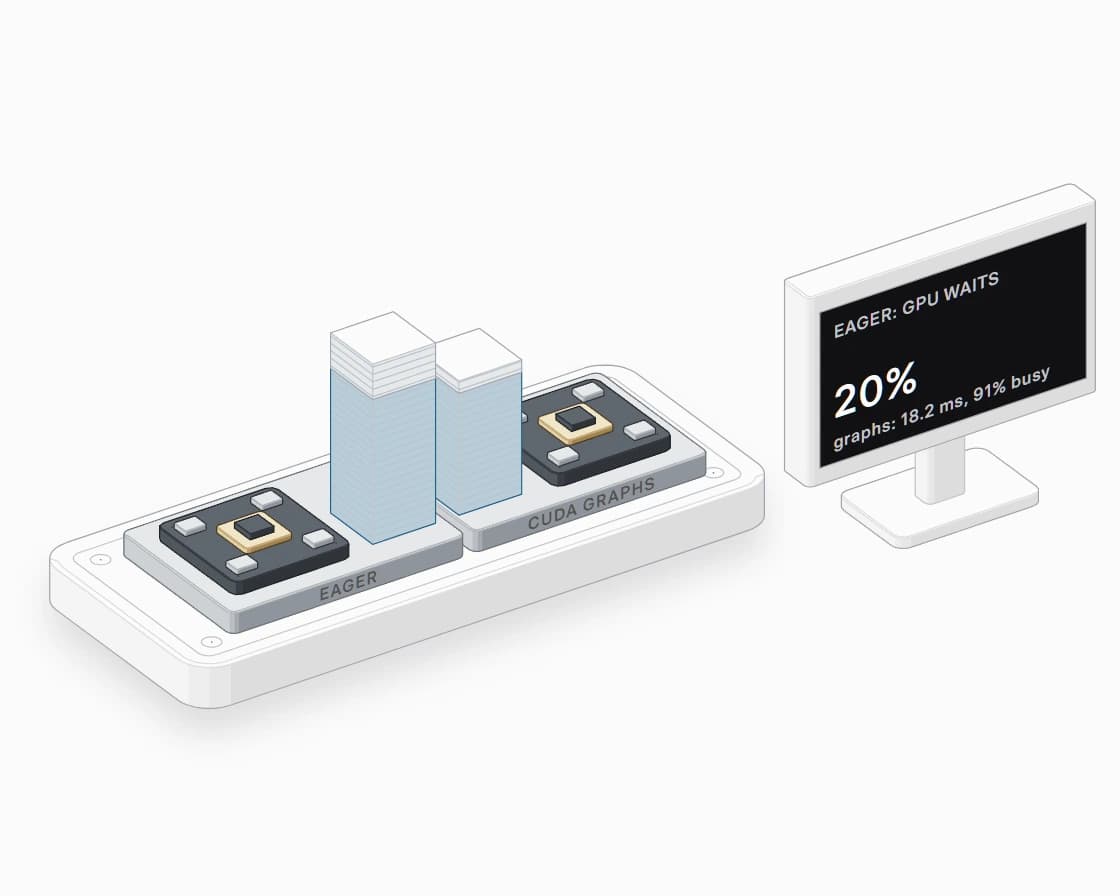
Reproducible latency measurements for Laya, a decision model by Convai Innovations. One command times it on your machine and checks that every backend gives the same answers.
Independent projectdebarshidas.dev
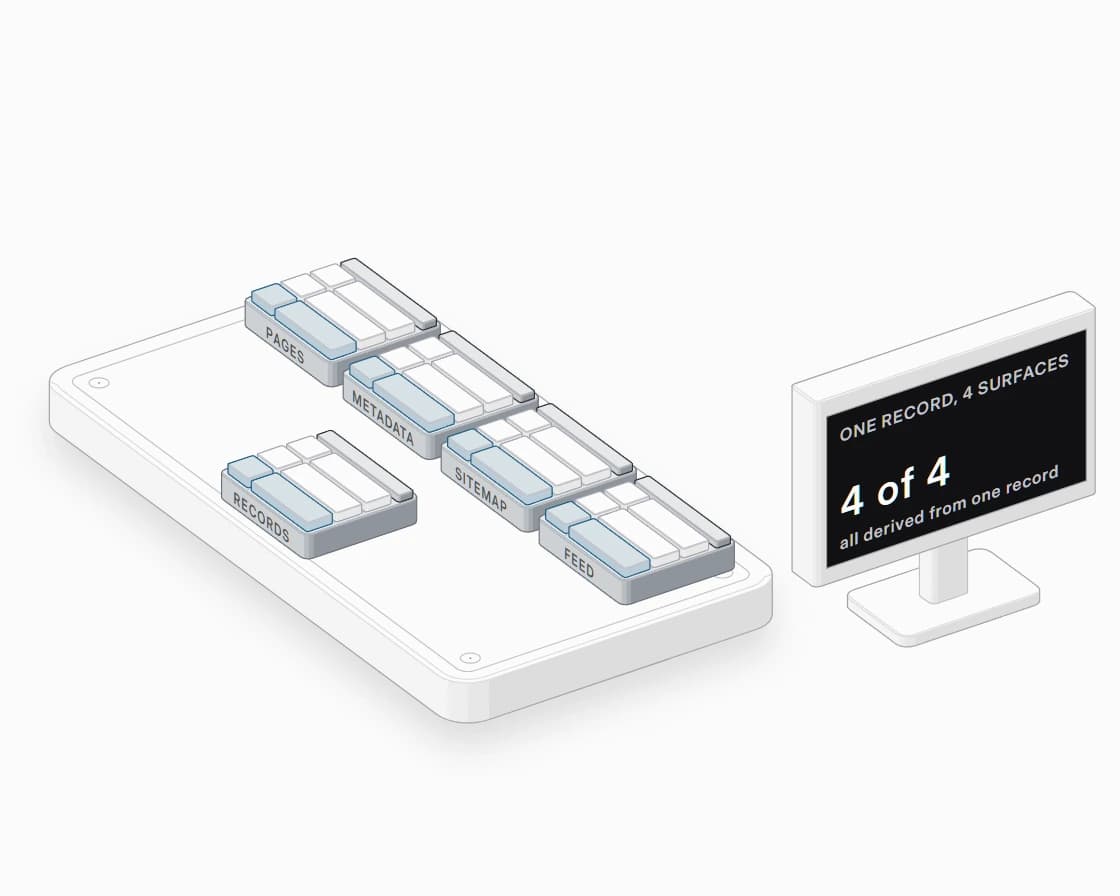
A static-first identity and authority site built around verified claims, durable URLs, accessible HTML, and consent-controlled analytics.
Independent projectView Source of allot (opens in a new tab)allot
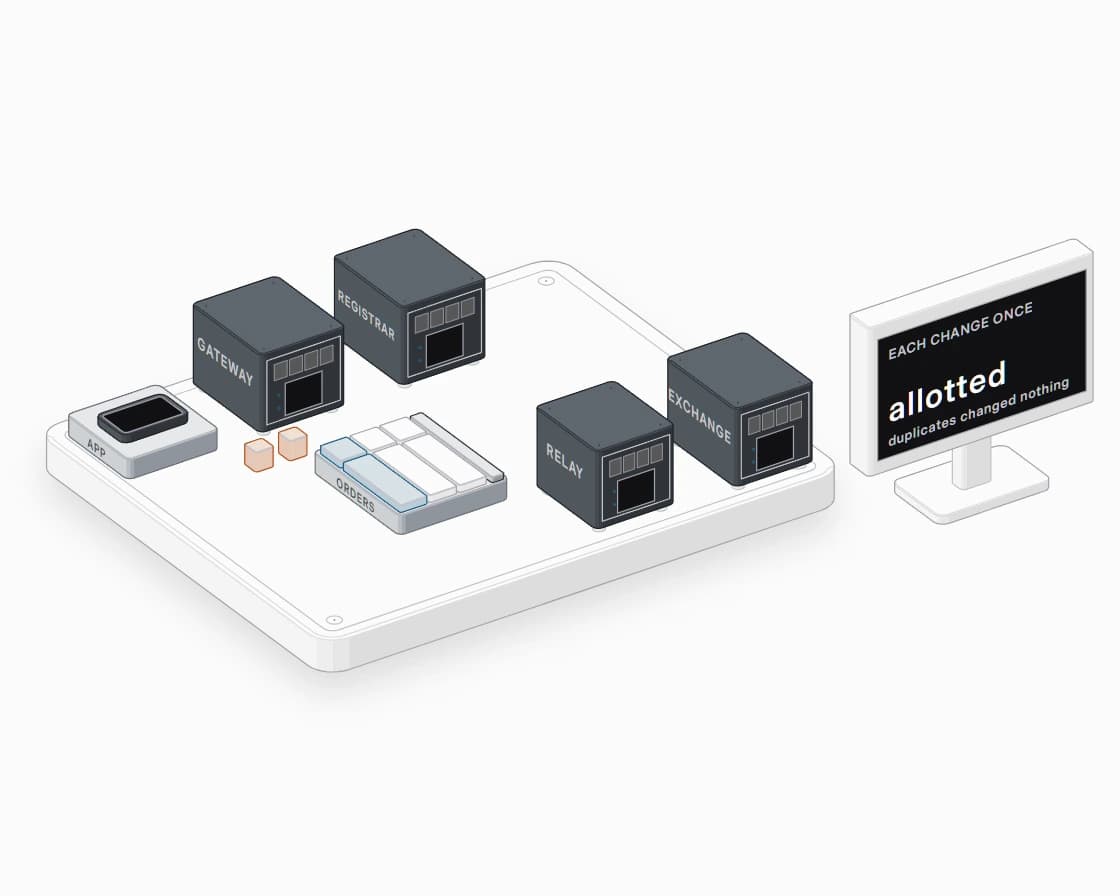
A mutual fund order engine in Go that changes each order once, while payment gateways, exchanges, and registrars retry, reorder, and go silent.
Independent projectView Source of Algophi (opens in a new tab)Algophi
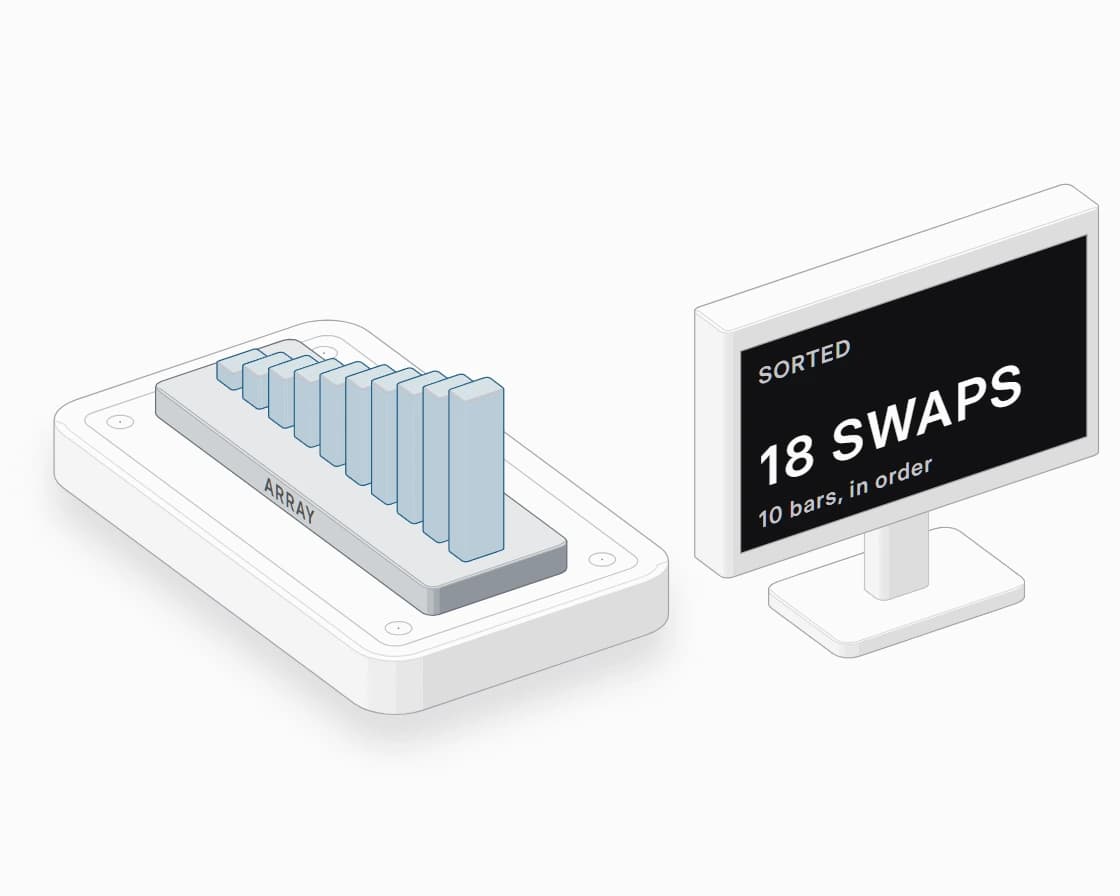
A sorting algorithm visualizer in the browser: seven algorithms, each drawn as bars that move step by step, with its complexity, pseudocode and C++ beside it.
Independent projectView Source of VisiGrid (opens in a new tab)VisiGrid
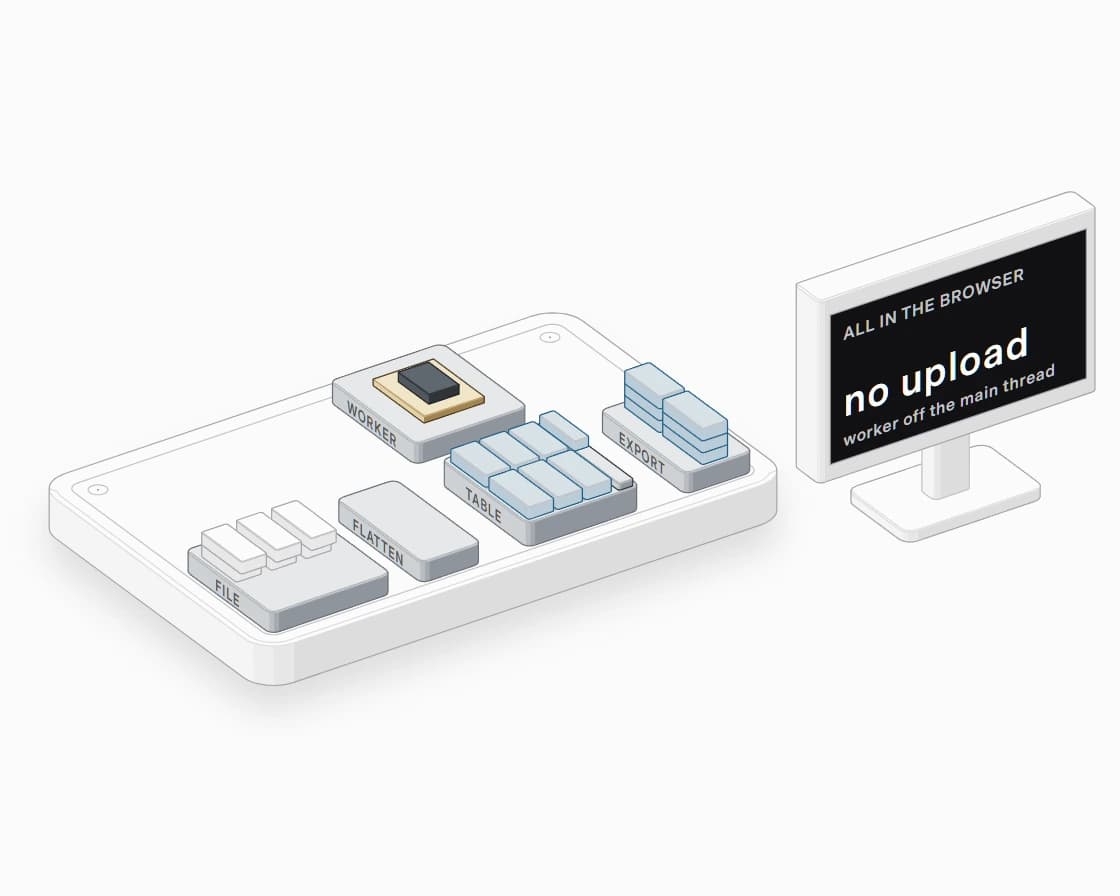
A browser-based workspace for opening, exploring, editing, filtering, and exporting tabular JSON or CSV data.
Open data
gpu-specs
Cited specifications for NVIDIA and AMD GPUs. Every number carries its source document and the vendor's own words, so you can check it in one click.
121 GPUs, 166 sources, 1721 quoted values. Release v0.1.0.
curl -LO https://raw.githubusercontent.com/DarkStark9000/gpu-specs/v0.1.0/data/gpus.json- Memory, as the vendor prints it
- 80 GB
- GPU Memory | 80GB
- NVIDIA H100 GPU (product page, Product Specifications table)
- Memory bandwidth
- 3350 GB/s
- GPU Memory Bandwidth | 3.35TB/s
- NVIDIA H100 GPU (product page, Product Specifications table)
- Memory, as the driver reports it
- 81 559 MiB
- NVIDIA H100 80GB HBM3 ... 87MiB 81559MiB
- NVIDIA Multi-Instance GPU User Guide (Supported GPUs page and PDF)
Latest
- Updatedgpu-specs
- UpdatedWhere the time in a Laya decision goes, measured on a laptop GPU
- Updatedsystem-one-bench
- PublishedWhere the time in a Laya decision goes, measured on a laptop GPU
- Updateddebarshidas.dev
- UpdatedDisaggregated prefill and decode on NVIDIA GPUs
- Startedgpu-specs
- UpdatedKV cache calculator
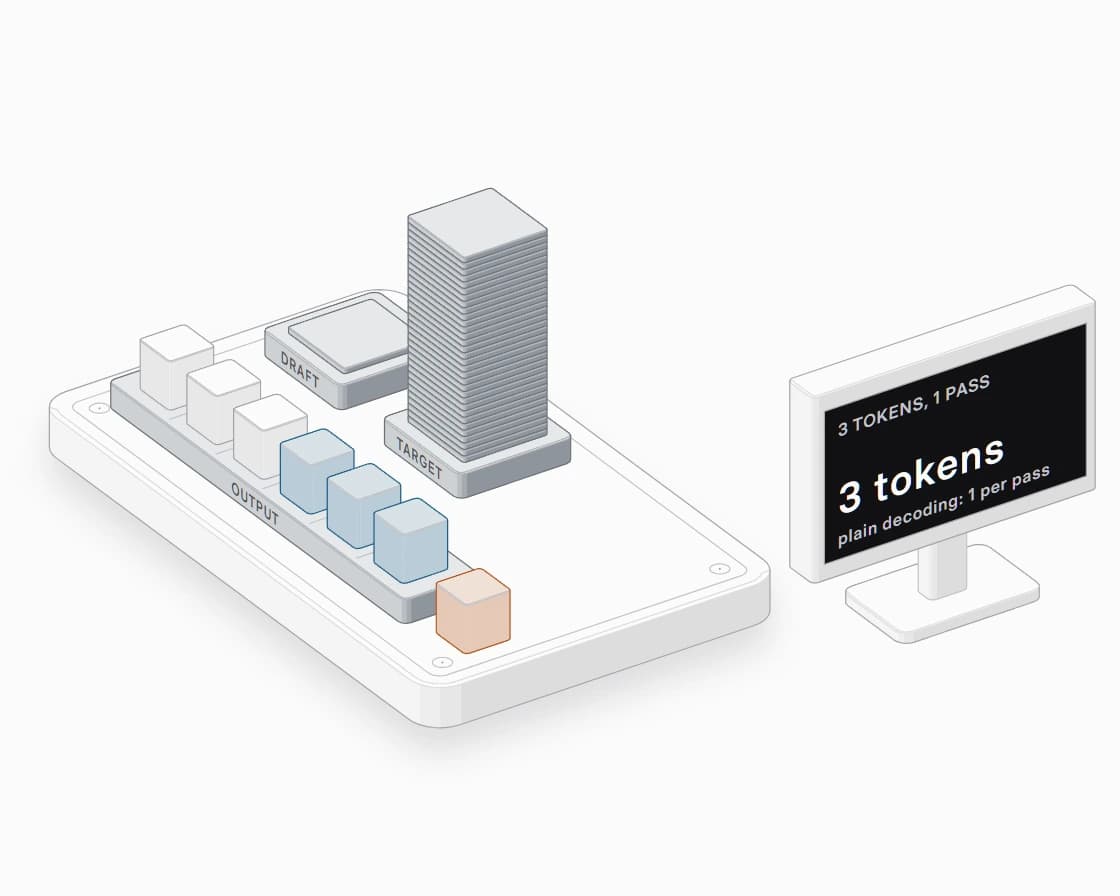
- PublishedSpeculative decoding: when it pays and when it does not
- Startedsystem-one-bench
Field notes
Notes I write while learning, on serving AI and building systems, with my sources.

Where the time in a Laya decision goes, measured on a laptop GPU
One Laya call split into its phases on an RTX 4060 Laptop GPU: tokenizing, copying, the encoder, the head and kernel launches, with CUDA graphs, TileLang and TensorRT compared.Speculative decoding: when it pays and when it does not
When speculative decoding speeds up LLM inference: acceptance rate, draft length, batch size, long context, EAGLE-3 in vLLM and SGLang, and hybrid Mamba models.
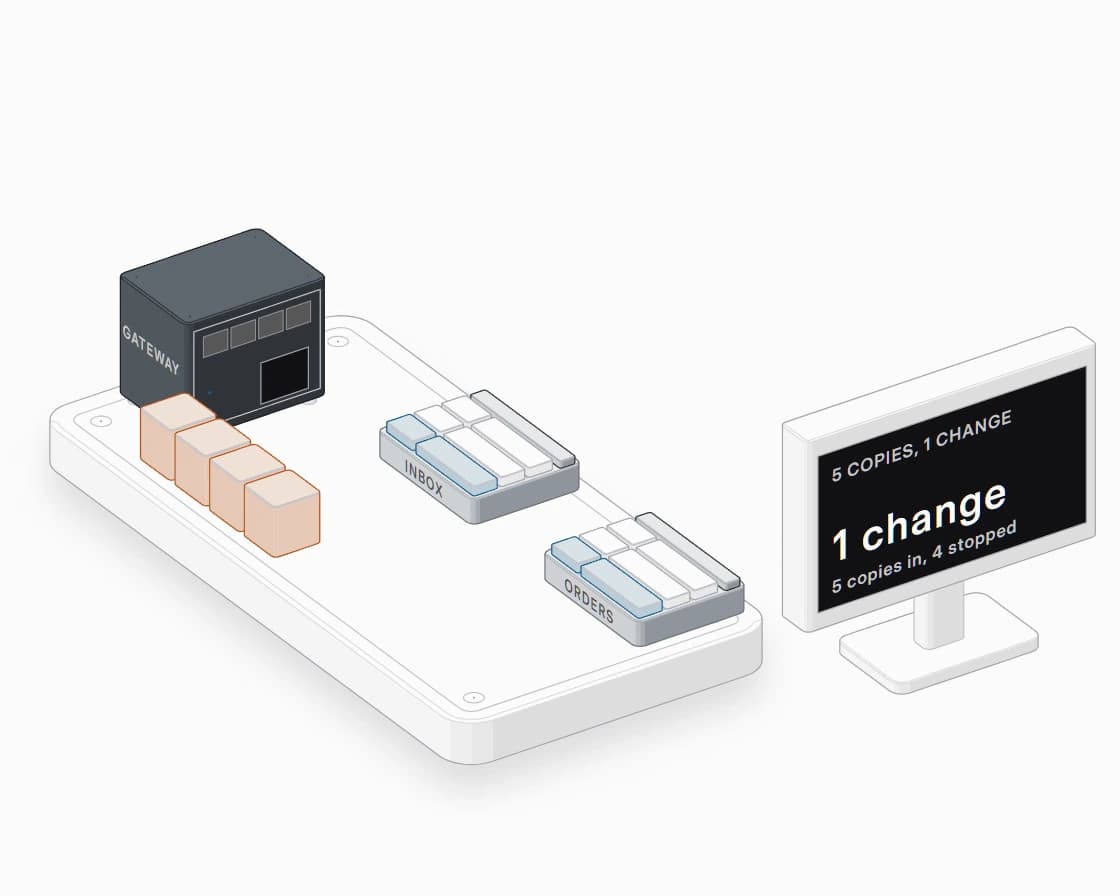
Effectively once: placing an order when every system answers twice
How a mutual fund order backend applies each payment, exchange answer, and registrar row once, while every system around it retries and reorders.
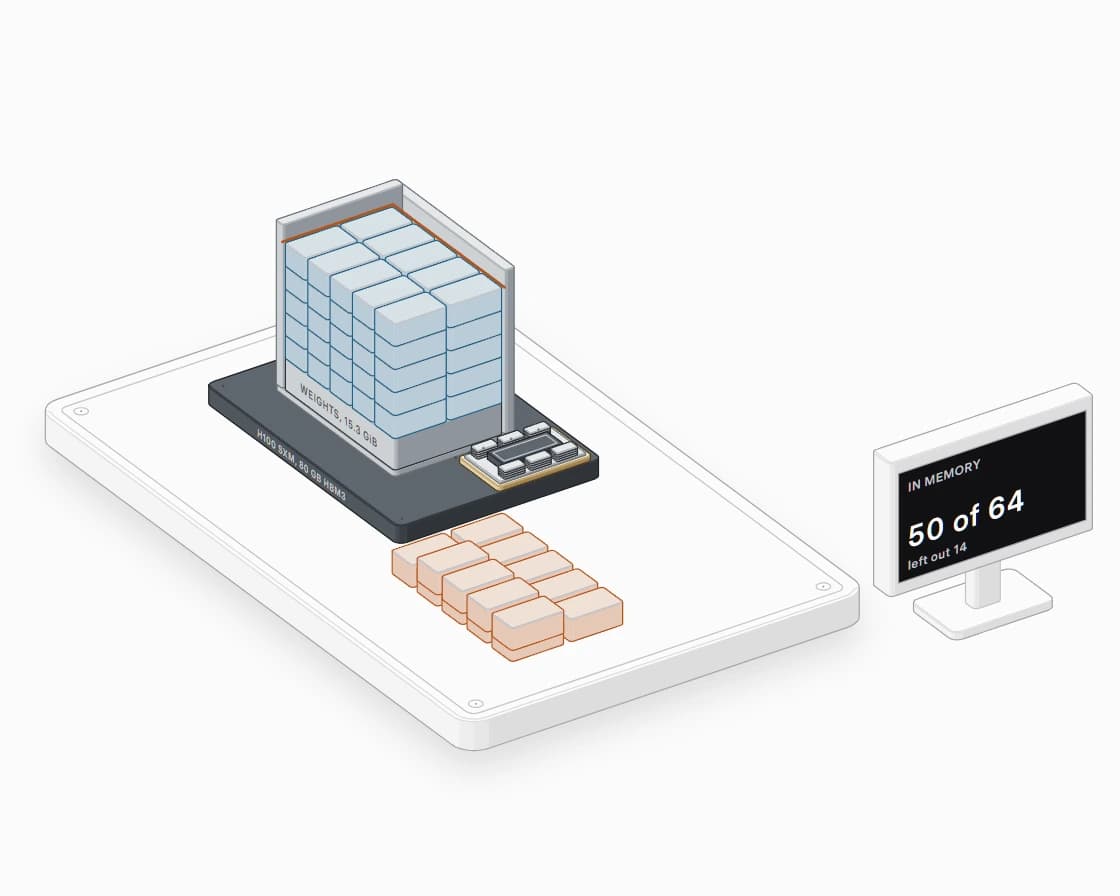
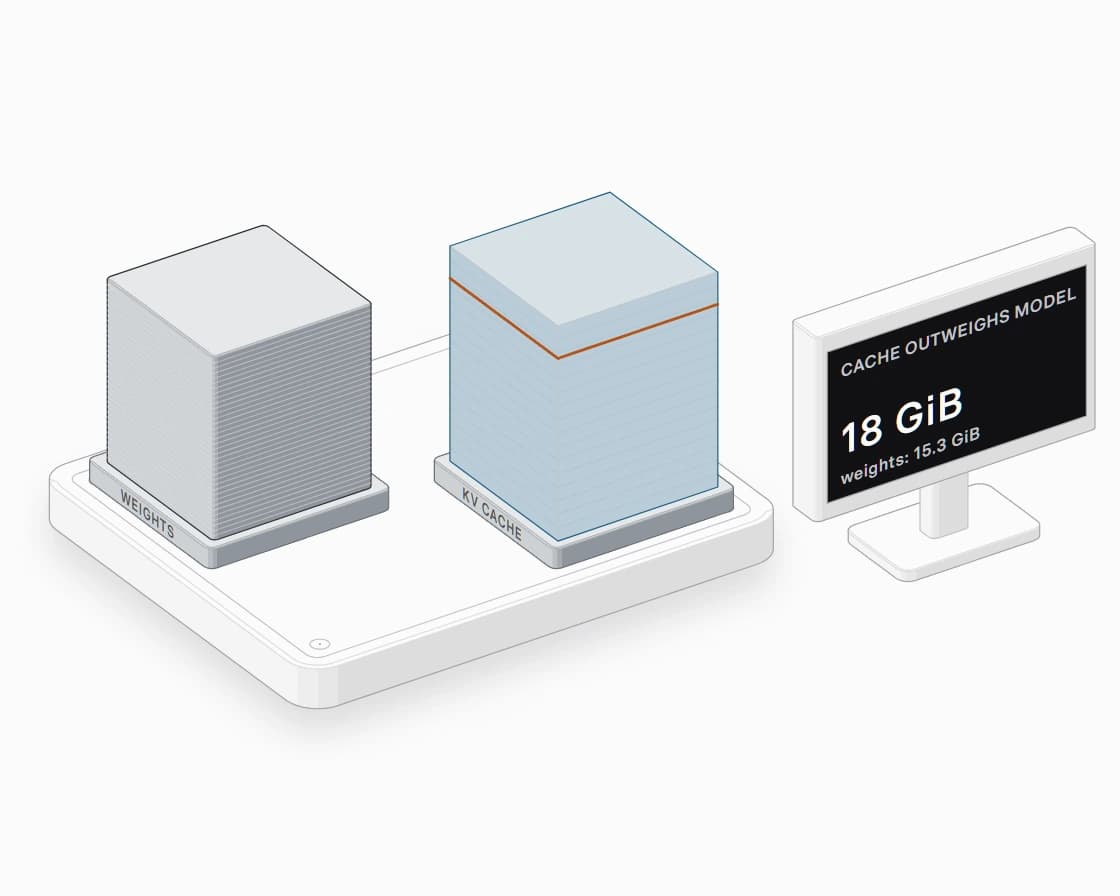
KV cache size per token: one formula does not fit every model
The KV cache formula, computed from real configs for 12 model types, and what it means for capacity, prefix hits and handoff.
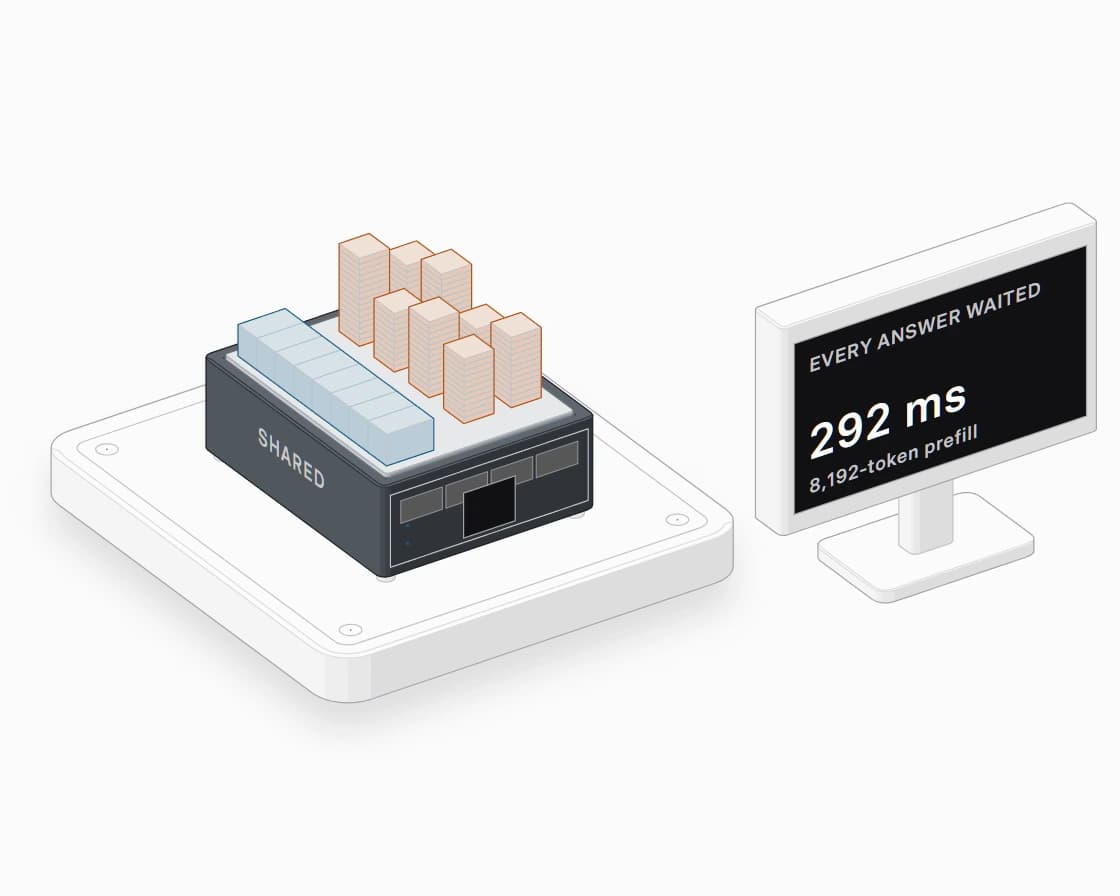
Disaggregated prefill and decode on NVIDIA GPUs
How disaggregated prefill and decode works on NVIDIA GPUs: what the KV-cache handoff costs over NVLink and RDMA, how Dynamo and NIXL move it, and when not to split.
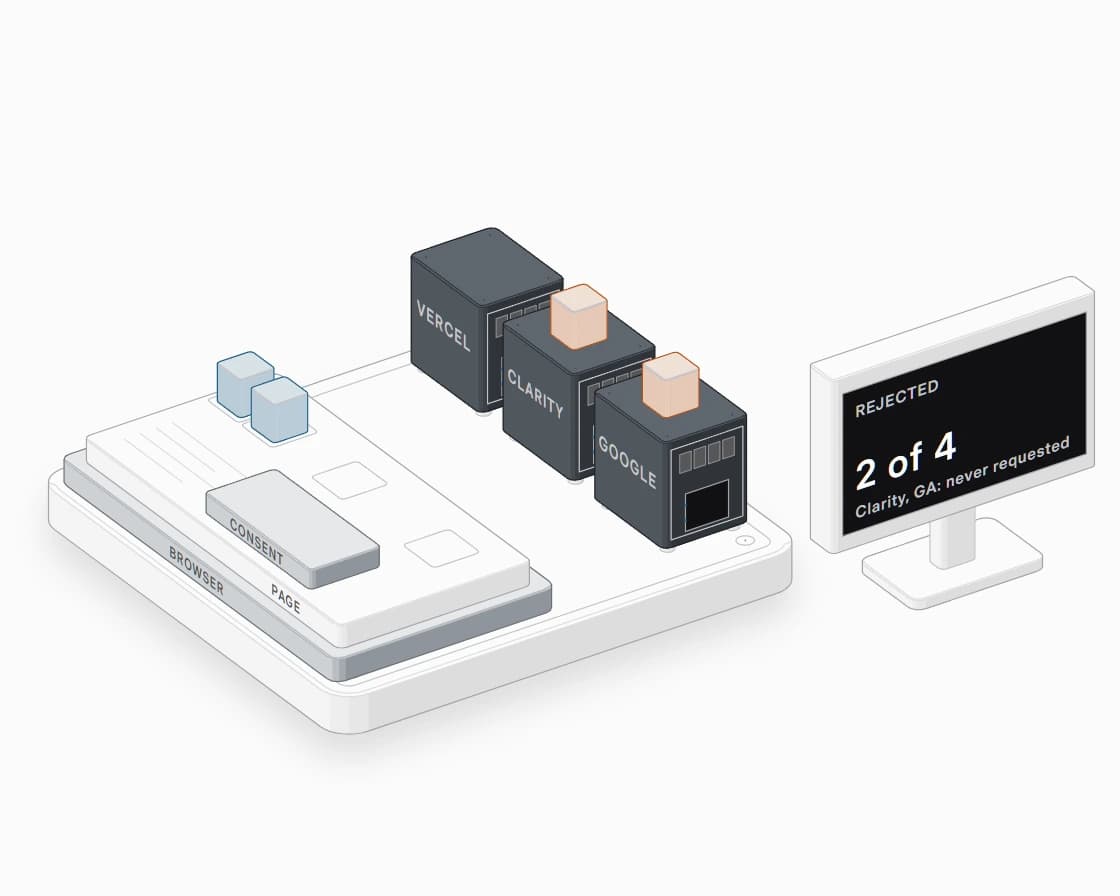
Consent is an analytics execution boundary
A practical Next.js pattern that keeps optional analytics code and collection behind an explicit visitor decision.